





Diamond Certification Explained: Why GIA and IGI Matter More Than Ever
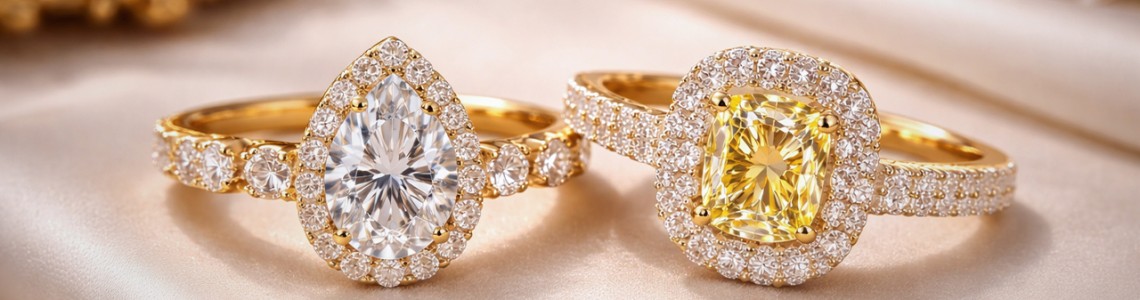
Luxury, when considered carefully, is rarely about excess. It is about assurance. In the world of fine jewellery, that assurance is delivered not through sparkle alone, but through quiet, verifiable truth. Diamond certification exists to provide exactly that.
As the modern jewellery landscape expands, offering both natural and lab-grown diamonds of exceptional quality, the role of certification has shifted. What was once perceived as a technical formality has become an essential instrument of discernment. For women who value clarity over convention, understanding certification is not optional. It is foundational.
Why Does Diamond Certification Exist at All?
At its core, certification exists to answer a simple yet critical question: Is this diamond truly what it claims to be?
Diamonds are inherently complex. Subtle differences in cut precision, internal structure, or colour nuance can significantly affect both beauty and longevity. These distinctions are often invisible to the unaided eye, particularly when viewed under curated lighting. Certification removes the need for assumption. It replaces subjective description with measured analysis, offering an independent evaluation that allows buyers to engage with confidence rather than caution. In doing so, it protects not the transaction, but the intention behind it.
Is Certification About Control, or About Confidence?
For many discerning buyers, certification is not about restriction, but liberation.
When a diamond is independently graded, the conversation shifts. There is no need to negotiate trust or question claims. Attention can return to what truly matters: proportion, presence, and how the stone feels when worn.
Certification creates a stable framework within which personal preference can flourish. It does not dictate taste, but it ensures that choice is grounded in truth.
How Are Natural Diamonds Evaluated by GIA?
For natural diamonds, the Gemological Institute of America (GIA) remains the global benchmark for integrity and consistency.
GIA’s approach is defined by restraint. Its grading philosophy prioritises repeatability over persuasion, accuracy over optimism. Each diamond is assessed by multiple gemologists under controlled conditions to ensure neutrality.
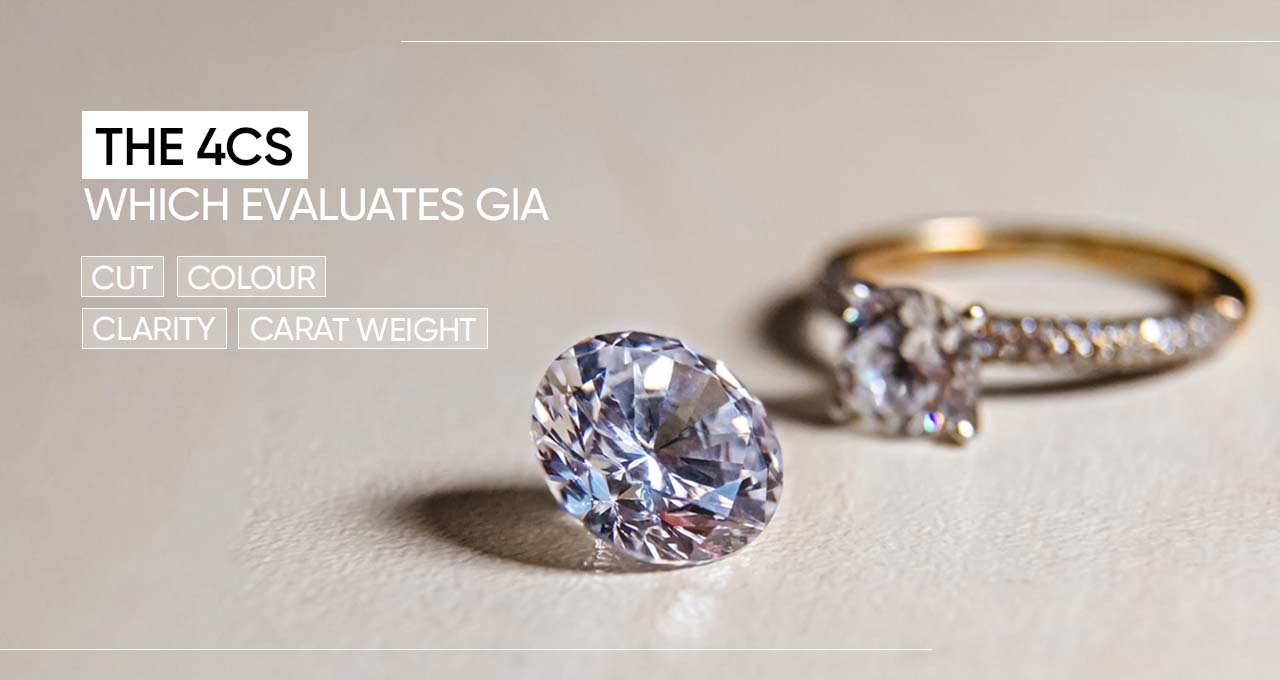
GIA evaluates natural diamonds using the established Four Cs:
Cut: the precision of proportions, symmetry, and polish
Colour: measured on a strict D to Z scale
Clarity: identification of internal and external characteristics
Carat Weight: the diamond’s measurable mass
Beyond these, a GIA report documents fluorescence, proportions, and inclusion mapping, offering a comprehensive portrait of the stone’s structure.
What distinguishes GIA is its conservatism. Grades are never awarded generously, and this discipline is precisely what has earned its trust. For women investing in natural diamonds, GIA certification offers assurance that value is not overstated, but faithfully represented.
Why Is IGI the Preferred Authority for Lab-Grown Diamonds?
Lab-grown diamonds require evaluation methods and IGI (International Gemological Institute) has emerged as the most relevant authority in this space.
Unlike early grading models designed exclusively for lab-grown mined stones, IGI has developed protocols that address the growth characteristics.
This transparency is not incidental. It is essential. Lab-grown diamonds are just like real diamonds in every physical sense and share identical chemical properties, and IGI’s role is to document that reality with precision and honesty.
At Rosecut, lab-grown diamonds are IGI certified, ensuring clients receive documentation that is explicit, consistent, and globally recognised.
Does Certification Favour the Seller or the Buyer?
Despite common perception, certification does not exist to support sellers. It limits them.
A certified diamond cannot rely on vague descriptions or aspirational language. Its qualities are recorded, disclosed, and preserved beyond the point of sale.
For buyers, this is protection. For sellers, it is accountability.
Certification ensures that a diamond’s story remains consistent, whether it is viewed today, years later, or passed down across generations.
.jpg)
Rosecut’s Perspective on Certification and Craft:
At Rosecut, certification is never used as embellishment. It is treated as a structure.
Natural diamonds are sourced with GIA certification, whereas lab-grown diamonds are selected with IGI certification. This distinction is intentional and transparent, reflecting respect for both the material and the client.
Yet certification is only the beginning. Each diamond is considered within the context of bespoke design, proportion, and wearability. Numbers guide selection, but craftsmanship defines experience.
The result is jewellery that feels informed rather than imposed. Discover more about our natural and lab diamonds and their enduring appeal with us here.
As access to fine jewellery broadens, discernment becomes more valuable than rarity. And for those who value intention as much as elegance, that distinction matters profoundly. Shop now!
Leave a Comment