
The New Trend - How Millennials and Gen Zs Are Changing Lab-Grown Diamond Market
How Millennials and Gen Z Are Changing the Lab-Grown Diamond Market

Walk
into a jewellery store today and the conversation around diamonds sounds very
different from what it did a decade ago. At RoseCut, this shift is already
visible in the way younger customers shop and ask questions.
Younger
buyers ask more questions. Where did it come from? How was it made? Is it worth
the price?
Millennials
and Gen Z approach buying diamonds a little differently. They want it to have
that traditional fairytale appeal but at the same time personal value matters a
lot. Many are also comparing options more carefully, especially when looking to
buy lab-grown diamonds or evaluate what truly makes the best lab-grown
diamonds.
That
shift in mindset has transformed the diamond industry. Today, nearly 70% of
lab-grown diamond buyers come from Millennial and Gen Z age groups, making them
the generation driving one of the biggest changes the jewellery market has seen
in years. And they’re doing it on their own terms.
Not
long ago, lab-created diamonds were still considered experimental. In 2015 they
made up barely 1% of the global diamond market. Fast forward to today and they
account for around 20% of diamond sales worldwide. That kind of growth rarely
happens by accident.
Younger
consumers have grown up in a world where technology improves almost everything,
from phones to fashion. So the idea that diamonds can also evolve feels
exciting.
Instead
of replacing tradition, lab-grown diamond jewellery is becoming part of a
broader definition of what modern luxury looks like.
The
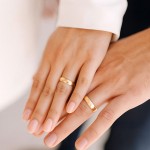
engagement ring market offers one of the clearest glimpses of this change.

Couples
planning weddings today are balancing priorities more than ever. They are
trying to save up for travel, homes, experiences and long-term financial goals.
Naturally, that mindset shows up in jewellery decisions too.
More
than half of couples now choose or seriously consider lab-grown engagement
rings, especially when comparing lab-grown diamond ring prices and
understanding the value they offer.
For
many, the appeal is simple. They can choose the size, design and quality they
want without stretching the budget in the same way traditional diamonds often
require. This is also why searches around lab-grown diamond cost and 1 carat
lab-grown diamond price have increased significantly in recent years.
Younger
buyers are moving away from the idea that diamonds should only appear during
engagements and weddings. Because of their affordability and sustainability,
it’s becoming part of their daily lives and why shouldn’t it be?

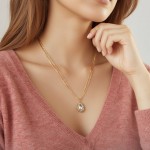
Small
diamond pendants, everyday rings and simple bracelets have become staples in
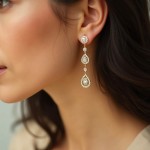
many collections of lab-grown jewelry. Your friend’s birthday is next month?
Look at this pair of earrings. You got promoted? Why not celebrate this
milestone with a bracelet?
The
emotional connection is still there but the rules around when diamonds can be
worn are just loosening.
Moments
like these may feel small but they reflect a bigger shift in how jewellery is
worn and purchased today. Diamonds are no longer limited to once-in-a-lifetime
occasions. They are becoming pieces people reach for more often, marking
personal achievements, memories and everyday celebrations.
If
there’s one factor that consistently shapes buying decisions for Millennials
and Gen Z, it’s value.
Lab-grown
diamond prices are typically 30–40% lower than mined diamonds with similar
characteristics. For younger buyers who carefully research purchases, that
difference opens up possibilities.

That
price difference gives buyers more room to explore. Some choose large lab-grown
diamonds, others invest in custom designs or add multiple pieces to their
jewellery collection. It reflects how strongly these generations value getting
more out of what they buy.
Environmental
awareness also plays a role in how younger consumers shop for jewellery.
Around 60% of Gen Z buyers say ethical sourcing is an important factor when
choosing diamonds. Transparency around production, supply chains and
sustainability is increasingly part of the conversation.
Laboratory-grown
diamonds naturally fit into that discussion, which helps explain why they
resonate so strongly with this audience. Many buyers also actively research the
difference between lab-grown diamonds and natural diamonds before making a
purchase decision.
What
started as a niche category is now one of the fastest-growing segments of the
jewellery industry.

The
global lab-grown diamond market was valued at $22.66 billion in 2023 and is
projected to reach nearly $57 billion by 2032. This rapid growth is also
reflected in increasing online searches for lab-grown diamonds for sale and
lab-grown diamond price comparisons across markets in New Zealand and
Australia.
Much
of that momentum comes from younger buyers who see diamonds through a slightly
different lens. For them, the idea of luxury is gradually changing. It’s less
about following a fixed standard and more about choosing something that feels
personal.
This
shift is also visible in design choices. Buyers are moving beyond the classic
round brilliant and exploring a wider range of styles. Fancy cuts like
trillion, marquise, step-cut and oval gemstones are increasingly being chosen
in lab-grown diamonds, offering more individuality in both engagement rings and
everyday jewellery.
At
RoseCut, this shift is at the centre of how we design and create. We focus on
custom lab-grown diamond jewellery that is shaped for you and not limited by
what’s on display. Whether you’re looking to buy lab-grown diamonds for an
engagement ring or create a piece to mark a personal milestone, the process is
built around your choices.
Every
detail, from the cut to the setting, is considered with you.
With
certified lab-grown diamonds and a focus on transparency, design and value, the
aim is simple - to help you create something that feels entirely your own.
Because in the end, it’s about choosing how you want to wear it, what you want
it to represent and why it matters to you.
FAQs
- What
types of lab-grown diamond jewellery are popular?
Diamond earrings, pendants, bracelets and rings are increasingly popular for gifting, self-purchase and milestone celebrations, especially among those looking for the best lab-grown diamonds at accessible price points.
- How
does social media influence lab-grown diamond demand?
Platforms like Instagram, Pinterest and TikTok help younger consumers discover jewellery trends, compare styles and research on lab-grown diamonds before buying.
- Why
are Millennials and Gen Z more open to lab-grown diamonds?
These generations are generally more comfortable with technology and innovation, making them opt for lab-created diamonds and modern production methods.
- How
are jewellery brands responding to this shift?
Many brands are expanding their collections to include certified lab-grown diamonds to meet growing demand from younger consumers.
- Are
younger consumers buying diamond jewellery for themselves?
Yes, self-purchasing is growing among Millennials and Gen Z, with many buying lab-grown diamonds for sale to mark personal milestones and everyday achievements.
Leave a Comment